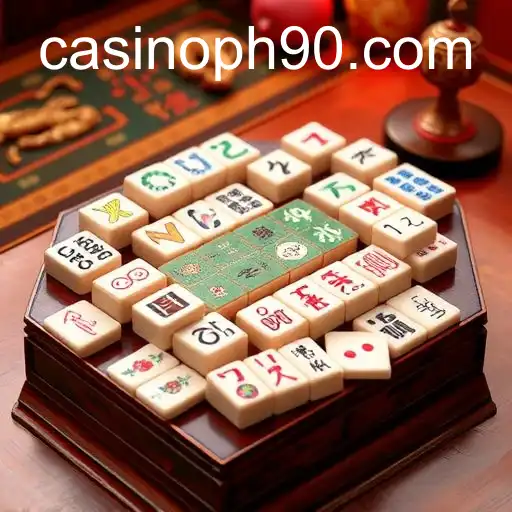
The Cultural Significance of Mahjong
Mahjong is not just a game; it is a rich cultural tradition that has been cherished by millions across generations. Originally developed in China during the Qing Dynasty, this tile-based game has transcended borders and made its way into the hearts and homes of people globally. Today, Mahjong continues to influence both traditional and modern aspects of society, bringing people together through its intricate gameplay and underlying cultural representations. Whether played in bustling community centers or quietly at home, Mahjong remains an enduring symbol of community and skill.
The History of Mahjong The origins of Mahjong are shrouded in mystery, with numerous legends and theories about how it first came to be. It is believed that the game was first played in the mid-1800s, gaining immense popularity throughout China. Some stories suggest that Confucius invented Mahjong to entertain himself, while others propose that the game was designed by soldiers to keep their wits sharp during downtime. Regardless of its true origins, Mahjong quickly became a staple social activity, fostering its spread across Asia and eventually around the world.
Understanding the Basics of Mahjong
At its core, Mahjong is a game of skill, strategy, and luck. A standard Mahjong set contains 144 tiles divided into several categories, including Suit Tiles, Honor Tiles, and Bonus Tiles. The suit tiles comprise the Bamboo, Characters, and Dots, each ranging from numbers one to nine. The Honor tiles consist of Winds (East, South, West, North) and Dragons (Red, Green, White), while the Bonus tiles include Flowers and Seasons.
Objective and Gameplay The primary objective of Mahjong is to collect sets of tiles, known as melds, to form a winning hand. Each player starts with 13 tiles, with the goal of drawing and discarding tiles to complete a hand, often composed of four melds and a pair. Players must be adept at recognizing patterns, memorizing discarded tiles, and anticipating their opponents' moves. Mahjong encourages social interaction, as it requires people to engage with one another and develop strategies based on the tiles in play and the actions of their competitors.
The Evolution and Variations of Mahjong
As Mahjong grew in popularity, different regions developed their own versions with unique rules and scoring systems. Hong Kong Mahjong is perhaps the most well-known, known for its straightforward rules and fast-paced play. Similarly, Japanese Riichi Mahjong introduces a layer of complexity with its standing systems and tile efficiency strategies. Other variations include American Mahjong, distinguished by its use of special Joker tiles and a yearly-revised card unique to its gameplay.
Mahjong in the Digital Age The digital revolution has brought Mahjong to the virtual realm, expanding its reach to even more enthusiasts globally. Online platforms now offer various Mahjong games, allowing players to connect, compete, and learn new strategies anytime and anywhere. Online matchmaking simplifies finding opponents, accommodating different time preferences and geographical locations.
Strategy and Skills Required in Mahjong
Mastering Mahjong requires a blend of strategic thinking, tactical patience, and an element of luck. Beginner players learn to recognize basic patterns such as Chows, Pongs, and Kongs, while seasoned players exercise advanced strategies that involve nuanced decisions based on probability and risk assessment. Consistent practice enhances one's ability to react to opponents' moves and calculate discards, ultimately contributing to victory.
Importance of Memory and Adaptability Proficiency in Mahjong involves more than just skillful planning; it requires excellent memory and adaptability. Players memorize which tiles have been discarded to predict possible future draws. Furthermore, adaptability enables players to modify their strategies based on unforeseen developments within the game.
Community and Social Aspects of Mahjong
Mahjong is often celebrated as more than just a game—it fosters a sense of community and belonging. Families often pass down Mahjong sets as cherished heirlooms, each tile filled with the memories of games played across generations. Moreover, Mahjong tournaments bring enthusiasts together, showcasing the competitive spirit while promoting camaraderie.
Mahjong as a Cultural Bridge In an increasingly globalized world, Mahjong serves as a cultural bridge, bringing people from diverse backgrounds together. Participating in Mahjong games fosters mutual understanding and shared appreciation, transcending language barriers and cultural differences. Whether played casually or competitively, Mahjong cultivates friendships and strengthens community bonds.
Conclusion: The Timeless Allure of Mahjong
Despite the rapid changes in modern entertainment, Mahjong's timeless allure remains undiminished. Its rich history, engaging gameplay, and profound cultural significance continue to captivate players globally. Mahjong is more than a game; it embodies the essence of human interaction and the beauty of shared experience, ensuring its enduring presence in our lives. To discover more about the fascinating world of Mahjong, visit our homepage and explore deeper into this timeless classic.